This is an open access article distributed under the terms of the Creative Commons Attribution–NonCommercial 4.0 International License (CC BY-NC 4.0), which permits non-commercial use, distribution and reproduction in any medium, provided the original work is properly cited.
Abstract
This study explores the transformation of traditional Armenian art from passive consumption to active consumer engagement. The paper identifies a structural paradox, known as the “museum trap,” whereby heritage products are highly valued as cultural symbols but remain poorly integrated into consumers’ everyday lives. Using a mixed-method approach, this study employs a research design consisting of a survey of 180 respondents, expert interviews, and a systematic analysis of digital content. The findings were compared with[A1] international standards based on the luxury industry in Europe, the textile industry in Persia, and the Japanese kimono market. The results reveal a gap between the perceived cultural value of heritage products and consumer engagement as reflected in a low Net Promoter Score (NPS) of 13.1% among brand-aware consumers (n = 122). To address this issue, the study proposes a strategic priority matrix that identifies priorities for strengthening branding and transaction transparency. Finally, the findings suggest that fostering an active consumer community requires a dual approach that preserves the cultural significance of traditional crafts while strengthening their integration into contemporary lifestyles.
1. Introduction
The ways consumers form relationships with brands have changed over time. Today, a brand’s functional attributes and pricing alone may be insufficient to foster customer loyalty. Holt's (2004) theory of cultural branding suggests that an iconic brand succeed by addressing social tensions and offering consumers a cultural anchor. The global cultural heritage sector plays an important role in preserving cultural identity. Therefore, traditional craft products must be adapted to contemporary consumer lifestyles while preserving their cultural heritage (Cleveland & Bartsch, 2019).
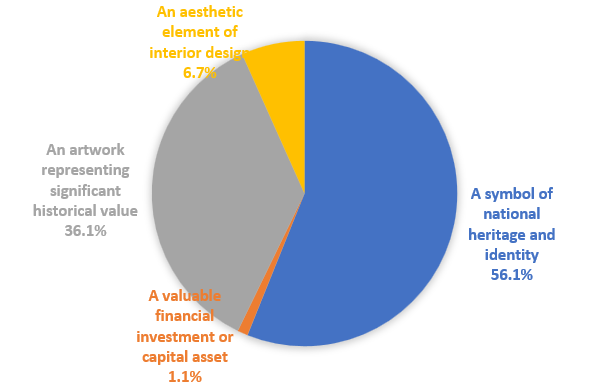
Armenia’s applied arts heritage is considered a valuable cultural asset. Consumers rarely incorporate traditional craft products into their everyday lives. This situation may be described as the “museum trap,” defined here as a situation where cultural items are respected only as untouchable historical symbols, which keeps them from being used in modern everyday life. These valuable cultural heritage assets can only be presented in museums as symbols of the national cultural identity. They are rarely integrated into contemporary social practice or consumers' everyday lives. Thus, a paradox emerges in consumer engagement. The more admired the craft, the less useful it becomes for the younger generation in a practical sense. These findings extend the application of Holt's (2004) cultural branding theory to an emerging-market context. The survey results indicate that 56.1% of respondents see crafts as symbols of their culture, but only 6.7% perceive crafts as a functional component of their everyday lifestyle, illustrating an acute cultural contradiction. Implementing the dual-pillar strategy enables brands to communicate identity narratives while respecting the cultural and historical significance of traditional crafts.
Despite Armenia’s rich heritage and considerable potential in the applied arts, few empirically grounded strategic frameworks have been developed to strengthen the sector and integrate heritage products into contemporary markets. This study contributes to the development of these concepts and their effective integration into modern consumer lifestyles.
The case of Armenia is unique because the high degree of cultural sacralization of crafts hinders their functional implementation, leading to a strong conflict between heritage conservation and economic relevance. Thus, by providing empirical insights into the problem, this study adds to the scholarly debate on cultural branding and brand communities in post-Soviet, heritage-rich emerging economies. Finally, although the studies are based on secondary standards of international experience, such as kimonos from Japan, rugs from Persia, and the European luxury brand Hermès, they are employed strictly as theoretical points of comparison with the case of Armenia.
2. Literature Review
Understanding the brand has evolved from viewing it merely as symbols of ownership to recognizing its important role in community formation. This can be traced to Muniz and O'Guinn (2001), who defined a brand community as a particular kind of non-geographic social group formed through certain social structures of relationships among admirers of the brand. The three basic characteristics of such communities are a consciousness of kind, shared rituals and traditions, and feelings of moral responsibility. These markers of heritage brands are not a result of marketing efforts, but are connected to the cultural background of such brands.
To maintain theoretical clarity throughout this study, we distinguish between four related concepts. “Brand community” serves as our primary analytical framework, describing a structured social network of consumers formed around admiration for a specific brand (Muniz & O’Guinn, 2001; McAlexander et al., 2002). In contrast, “brand tribe” represents a more fluid, informal collective centered on shared cultural rituals and lifestyle passions (Cova et al., 2011). Meanwhile, “consumer community” functions as an umbrella term for the broader cultural market, and “consumer engagement” refers specifically to the measurable behaviors and interactions of these individuals, such as brand advocacy, online dialogue, and Net Promoter Score ratings (Kotler et al., 2021).
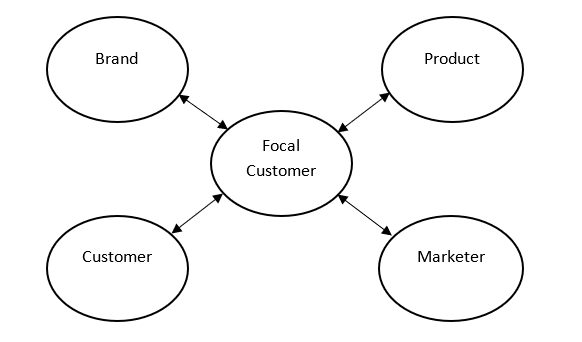
The customer-centric model of brand community (Source: J. McAlexander, J. Schouten, & H. Koenig, 2002)
Based on this social approach, McAlexander et al. (2002) introduced the customer-centered perspective of the brand (Figure 1). According to this approach, a brand community is not a simple interaction between an individual and a brand but a complicated network of connections that involves not only a product and a company but also other customers (McAlexander et al., 2002). This is particularly useful when discussing heritage brands in the traditional applied art industry.
Cova et al. (2011) further explained the sociological concept of these relationships in terms of the linking value concept, defined as the capacity of a product to facilitate and sustain social connections between consumers rather than simply fulfilling a functional need. According to Cova, in postmodern society, consumers acquire products because of their ability to facilitate social connections. In this context, a product is a totem that gives people the chance to link through a shared aesthetic or cultural language. When this linking value brings consumers together around shared cultural rituals and lifestyle practices, it creates a “brand tribe,” which represents an informal collective bonded by shared cultural meanings and personal identification (Cova et al., 2011; Holt, 2004). At the same time, the possibility of losing linking value is high in the Japanese kimono market. This industry has undergone significant structural contractions. The product became associated primarily with ceremonial occasions rather than everyday use. (The West Australian, 2021). As a consequence of such functional disintegration, the product has lost its usefulness in modern society.
According to Holt's theory of cultural branding, an iconic brand achieves success through the resolution of collective anxiety and the provision of identity myths. For Armenia, a country whose national identity is often based on the preservation of its heritage, a brand that effectively communicates narratives of national heritage may contribute to shaping national identity. The use of identity narratives can be illustrated by the success of the Hermès brand, which managed to use the change of times from the carriage period to the automobile period and change its artisanal mission (Europe Times, 2026). Through the use of exacting leatherwork techniques, such as the saddle stitch, which was first used in making the harnesses, the company has gained modern relevance and cultural credibility. In addition, the company maintains the myth through its flagship store transformation into cultural space through the galleries.
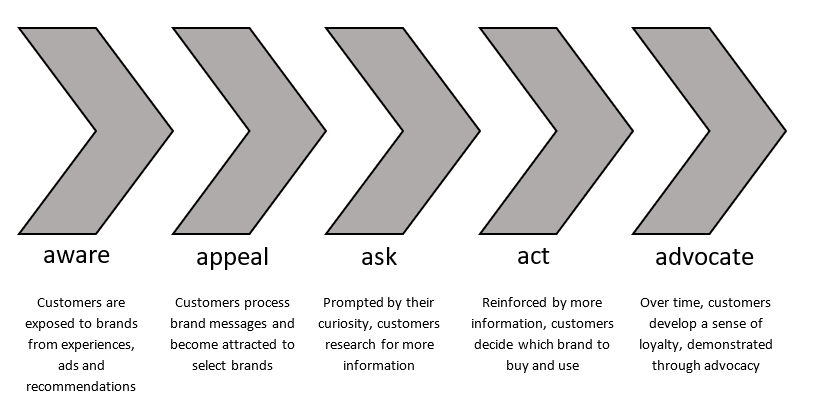
The 5A’s Customer Path (Source: Adapted from Kotler, Kartajaya, & Setiawan, 2021)
As cultural and social interactions become more digitized, the essence of community engagement changes. The idea of the evolution towards a 5A path is developed by P. Kotler: awareness, appeal, ask, action, and advocacy (Kotler et al., 2017). The goal of the 5A digital marketing approach is to encourage consumers to become advocates of products or services, which can be challenging due to the engagement paradox typical of high-value heritage industries (Kotler et al., 2021; Figure 2). High-value heritage sites require a strategic approach to cultural identity to bridge the gap between history and branding (Amer, 2023).
The latter can be observed in today's Persian carpet industry, which is facing a “crisis of authenticity” in digital spaces. Along with the increase in the value of heritage products, the growth of competition in machine-made products and difficulties in authenticating products in digital spaces have increased transaction costs (Rugs Clinic, 2025). The digital transparency and traceability of materials have become relevant to the heritage textile industry worldwide.
Finally, it is crucial to examine the cultural aspects of Armenia using the ethnographic approach. As Poghosyan mentioned, the traditional art of weaving is regarded as a sacred area that serves as a protective border and provides symbolic coding (Poghosyan, 2022). In this study, “cultural sacralization” serves as our primary analytical term to describe the social process through which traditional crafts are elevated into the realm of the sacred and untouchable. In turn, “cultural sanctity” refers to the resulting psychological barrier of extreme reverence that discourages modern consumers from everyday functional use, while “sacred heritage” designates the physical cultural artifacts and traditional techniques themselves. The ethnographic approach makes users actively involved in the process; however, there is a risk of a “museum trap” when the sanctity of a woven item prevents its recognition as a functional component of modern life. Combining all these approaches and comparing them with worldwide examples, including ceremonial immobility of kimono, digital instability of Persian rug and the successful “lifestyle” of luxury European models, it is possible to develop the model of transition of the Armenian applied arts from a sacred symbol to an active consumer group.
3. Methodology
This study uses survey data and in-depth interviews to examine the formation of consumer communities in Armenia’s applied arts sector (Bryman, 2012). A mixed-methods design was chosen to enable triangulation, combining quantitative consumer metrics with qualitative industry insights to capture both public perceptions and systemic market barriers. The findings are contextualized through comparisons with established strategic modelsin the international luxury goods industry as well as the development paths of traditional textile industries in Japan and Iran.
Quantitative data were collected using a structured online questionnaire. Given the study’s objectives, purposive sampling was used to recruit individuals interested in Armenian cultural heritage, both in Armenia and across the Diaspora. Participants were recruited through online cultural groups, university alumni networks, and heritage preservation forums. The online survey was conducted in April 2026 over a period of 4 weeks and included approximately 180 respondents. Regarding age distribution, 54.4% of the participants were between 18 and 25 years old, followed by 26-35 (12.8%), 36-45 (17.8%), 46-55 (6.7%), and 56 and older (8.3%). The survey consisted of four thematic modules: respondent demographics, an inventory of household heritage items, perceived symbolic versus practical value of crafts, and brand-specific awareness. To assess the NPS, the questionnaire included questions on a 1-10 scale regarding the willingness to recommend a given approach to brands based on traditional culture. Only 122 respondents who were familiar with the case company answered this question; the remaining 58 respondents were unfamiliar with the brand and were therefore excluded from the NPS calculation. The responses were categorized into three groups: promoters (9-10), passives (7-8), and detractors (1-6). The NPS was calculated as the difference between the percentages of promoters and detractors among the 122 respondents: .
The qualitative phase consisted of in-depth interviews with three experts: a cultural studies scholar and ethnographer, an ethnic marketing specialist, and the director of a leading cultural center. The experts were selected according to predefined criteria, including substantial professional experience, academic or professional expertise, and the ability to provide balanced perspectives on the research topic. These three profiles were chosen to represent academic, commercial, and operational perspectives on heritage preservation. All semi-structured interviews were conducted for at least one hour. The interviews focused on identifying barriers to the everyday use of traditional crafts and strategies for engaging with communities. The interviews were qualitatively analyzed using thematic analysis, following the systematic coding procedure outlined by Braun and Clarke (2006) to identify recurring patterns regarding sacralization, pricing opacity, and digital engagement.
The audit involved analyzing the official Instagram and Facebook posts of major players in the industry, including the case company (a leading Armenian applied arts enterprise) and its main competitors in the artisanal textile category, an ethnic jewelry brand, and a national cultural museum. Publications were analyzed according to the specific functions of the posts, which included culture- and education-related storytelling, promotional communications, event-based public relations, and value creation. The analysis involved recording the formats of the visuals used, messages communicated, engagement metrics (likes, shares, and comments), sentiments of comments, and the responsiveness of brands to comments. This included the observation of 150 communications and posts made between December 2025 and March 2026. The period was deliberately selected to capture industry activity during the festive season and the subsequent period of less intensive communication (Zikmund et al., 2013). Posts were categorized into a coding matrix to evaluate the balance between educational broadcast content and active community interaction.
This study develops a strategic priority matrix (SPM) to integrate diverse data. To increase the scientific validity of the results and minimize the risk of subjectivity, expert recommendations were cross-validated and weighted using a factor-based SWOT analysis of the subject model. The study’s methodological contribution lies in its use of a weighted scoring approach to prioritize strategic interventions by multiplying the strength of expert consensus (on a scale of 1–5) by the strategic weight assigned to each weakness or opportunity in the SWOT analysis (also on a scale of 1–5). Triangulation of the data, involving consumer NPS, competitor audits, and SWOT synthesis performed by experts, allows for the creation of a complex framework to describe the characteristics of the consumer community in a cultural heritage environment.
Finally, three international cases were selected as comparative benchmarks to contextualize the findings. Japan (the kimono market and Pagong) was chosen to illustrate how cultural sacralization causes market decline and how technique adaptation can revive traditional textiles. Iran was selected because its ancient Persian rug industry faces comparable digital challenges regarding authenticity, counterfeiting, and material traceability. Hermès was chosen as a premier model of luxury heritage management, demonstrating how an artisanal brand can transition into contemporary lifestyles through structured sub-branding and experiential cultural flagship hubs.
4. Results
The empirical findings reveal a structural contradiction in how consumers perceive cultural identity within Armenia's heritage sector. According to the contextual benchmarks provided by secondary sources, the same scenario can be attributed to the kimono of Japan, where even though the product was extensively owned by the elderly population of Japan, the industry declined because of its non-functionality.
The survey findings suggest that the cultural value of the focal heritage brand is associated primarily with preservation rather than contemporary use. In the question asking what would be considered the most important symbolic value of traditional applied art, namely the heritage textile, 56.1% of the respondents mentioned that this heritage was viewed as “national symbol” or “highly respected ethnographic item.” At the same time, only 6.7% of respondents viewed heritage products as part of modern everyday life (Figure 3).
Consumer perception of Armenian heritage textiles (N = 180, single-choice question)
Note: Based on the total sample of 180 respondents. Categories indicate the primary symbolic value assigned by respondents to traditional Armenian textiles.
This issue is better explained through the view provided by a culturologist who points out that the traditional craft of weaving was considered to be “a sacred space.” In this case, while sacralization helps establish the privileged position of the industry’s flag-bearer, it simultaneously creates a psychological barrier for modern consumers. This is similar to the path taken by Japanese kimonos, where, due to a high degree of cultural sacralization, over 80% of Japanese consumers viewed the product as ceremonial rather than practical in nature. The survey results show that consumers hold a very high level of respect for products of the Armenian industry, but do not make use of them in interior design.
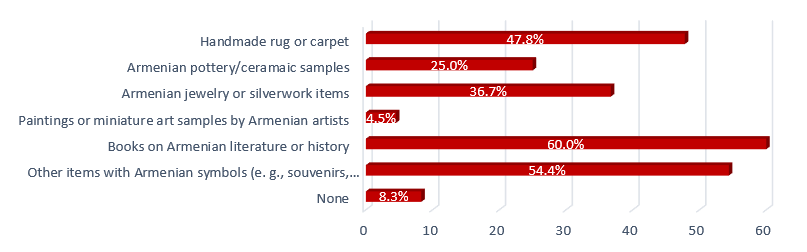
Cultural heritage elements present in respondents’ households (N = 180, multiple-choice question)
Note: Based on the total sample of 180 respondents. Total exceeds 100% because participants were permitted to select more than one category.
Moreover, this paradox becomes even more evident because the respondents were found to possess some heritage elements in their households. Consistent with these findings, 91.7% of respondents reported owning at least one item of Armenian material cultural heritage (Figure 4). These objects play mostly historical functions and are hardly ever used in a contemporary context or incorporated into the respondents' lifestyles.
Thus, it may be argued that the problem in the applied arts market segment is not a lack of consumer recognition or ownership; on the contrary, there is a gap between cultural recognition of heritage and its integration into everyday life. Although almost 50% of respondents own heritage textiles, the gap between symbolic appreciation and practical use persists, as these items are valued primarily for their patriotic or sacred significance rather than their functionality in contemporary aesthetic contexts. [A1] Based on contextual benchmarks from secondary literature, this trend is similar to the case of the Japanese kimono, where, despite high ownership rates among the elderly population of Japan, the sector shrank because of the inability to turn the product into a functional contemporary item. Therefore, the high prevalence of these objects in respondents’ households (91.7%) suggests considerable potential for applying the proposed model if the “museum trap” can be overcome via the suggested structural changes.
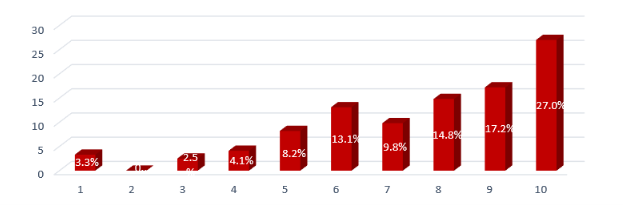
The NPS’s findings indicate that people value cultural heritage more than they actually engage with it. It also functions as a sectoral benchmark. Although the subject matter was found to possess high symbolic value, the NPS was 13.1% in the case company. The results were calculated based on the standard NPS formula, which describes the difference between the percentages of promoters and detractors. Among the 122 respondents familiar with the brand, 44.2% were promoters and 31.1% were detractors, providing an NPS of 13.1 (Figure 5).
Advocacy measurement using Net Promoter Score (n=122)
Note: Evaluated strictly among the eligible subsample of brand-familiar respondents (n = 122), drawn from the total survey sample of N = 180 (58 unfamiliar respondents were excluded). Responses were recorded using a standard 10-point scale from 1 (“not at all likely”) to 10 (“extremely likely”). In line with the standard Net Promoter Score rules, responses were categorized as detractors (scores 1 to 6; 31.1%), passives (scores 7 and 8; 24.7%), and promoters (scores 9 and 10; 44.2%). The Net Promoter Score was calculated as % promoters (44.2%)–% detractors (31.1%) = 13.1%.
In international marketing research, NPS has been used to examine a potential paradox in consumer engagement, in which customers appreciate the overall purpose of heritage conservation but fail to show any initiative to promote or recommend these goods in their network (Martínez-López, 2021). In comparison with the additional information from the market of textiles with Persian heritage, which was estimated to have an estimated value of $10.5 billion in 2024, the lack of engagement represents a significant concern for Armenia’s applied arts sector. In this market, a high symbolic value does not prevent the emergence of authenticity problems or rivalry from machine-produced products.
Qualitative information received from marketing strategists explains this paradox, indicating that the current situation may be explained by the relative stagnation of digital engagement in Armenia's applied arts market. It was identified that the current communication strategy includes “passive admiration,” as people follow heritage companies because of their patriotic responsibility rather than because of their interest in social communication. This conclusion was supported by a content analysis of the sector's digital environment, which included a case company and its main competitors. Although digital stasis was recognized as a market trend, defined here as a communication pattern where brands publish content regularly but remain limited to one-way educational broadcasting without fostering dialogue, community interaction, or audience feedback, the content analysis of the case company's digital environment showed that 70% of the posts on all platforms were informative or educational. By acting more like “museum teachers” than “community facilitators,” industry participants may be failing to foster the social connections needed to transform social media followers into an active brand community. The above description is clearly evidenced by the results of the content audit, in which users' comments on the audited social media accounts were largely confined to the appreciation and use of emojis without any response from the brand to the community or price issues.
However, an analysis of the problem shows that there are two structural barriers leading to this paradox. The first refers to the problem of price opacity in a digital context. Using “price upon request” policy on industry digital platforms creates frictions for potential customers. For Gen Z and Millennials, digital opacity can be regarded as inauthentic. Transparency is crucial in digital environments. This is proven by the growing global demand for blockchain-proven provenance and material traceability. Young consumers require verification before they develop brand loyalty. Therefore, by removing this element from consumers, the company reinforces the perception of the brand as something to be admired rather than used.
The second barrier relates to customer loyalty. Although the case company has already developed several touchpoints (museums and restaurants), it fails to provide customers with any tools for retention. As a second conceptual framework, this hub strategy is related to the Hermès strategic model, whereby the flagship stores of Hermès (Maison Hermès in Ginza) should act as centers for the exchange between art and craftsmanship. However, the social-connecting value of a cultural hub may diminish after a purchase if the brand lacks a loyalty ecosystem that offers advocates exclusive cultural experiences or opportunities for co-creation. Without a program that enables shared rituals, the organization will not leverage its high cultural sanctity to form a sustainable brand tribe.
To move beyond the descriptive analysis, the research combines the insights of experts and a factor-based SWOT analysis of the case company to develop a strategic priority matrix. The strategic priority matrix provides an analytical link between expert recommendations and environmental urgencies in the Armenian cultural heritage market. The scoring mechanism was developed by crosslinking the number of times a weakness or opportunity was mentioned by experts and the weight of such factors from the SWOT matrix.
Synthesizing these empirical and expert insights, strategic priorities are visually expressed in the following strategic priority matrix (see Table 1).
Table 1: Strategic priority matrix for the Armenian heritage sector
Strategic intervention
Expert
consensus
strength (1-5)
SWOT strategic weight (1-5)
Priority index
(Score)
Implementation urgency
Structural sub-branding
5
5
25
Immediate
Transactional transparency
5
5
25
Immediate
Loyalty & retention system
5
5
25
Immediate
Engagement reform (UGC)
5
4
20
Immediate
B2B2C lifestyle integration
3
5
15
High
Immersive digital UX
3
4
12
Medium
Educational storytelling
3
2
9
Long-term
Note: Priority Index = [Expert consensus strength (1 to 5)] × [SWOT strategic weight (1 to 5)]
Maximum possible score is 25. Scoring criteria: 1. Expert consensus strength (1 to 5): 1 = low relevance or rarely raised in interviews; 2 = minor operational suggestion; 3 = moderate agreement across experts as a secondary priority; 4 = strong consensus as a key strategic objective; 5 = unanimous agreement among all experts as an immediate strategic necessity. 2. SWOT strategic weight (1 to 5): 1 = negligible internal weakness or minor external opportunity; 2 = low systemic impact; 3 = moderate operational vulnerability or moderate market opportunity; 4 = high structural risk or high commercial opportunity; 5 = critical systemic vulnerability or decisive competitive market opportunity. 3. Implementation urgency: Scores 20 to 25 = Immediate; Scores 15 to 19 = High; Scores 10 to 14 = Medium; Scores below 10 = Long-term.
Combining the research findings in the strategic priority matrix reveals a hierarchical structure of strategic needs, distinguishing between foundation strategies and their tactical implementations. The key strategies, namely structural sub-branding, transactional transparency, and loyalty systems, received the maximum priority index score of 25, are a perfect balance between expert consensus and the intensity of internal weaknesses.
Based on these findings, it becomes clear that the heritage model cannot expand its efforts to a higher level unless it bifurcates itself into two parts: heritage and lifestyle components. This strategy becomes clear in the case of the Japanese textile industry, where Pagong, a family business, survived the structural decline of the kimono industry by adapting its traditional patterns to Western clothing, such as jackets (The West Australian, 2021). For the Armenian industry, this means that the strategy should be based not on selling the entire product, but on its aesthetic patterns. This process can be demonstrated using the example of the Hermès, which became a symbol of culture through the transformation of techniques that were used for leather harnesses to luxury items. By expanding its range to include fragrances and lifestyle accessories, it has become possible to implement the philosophy of artisans beyond the scope of leather. Subbranding is an important step in preventing dilution in Armenian industry.
Moreover, the analysis showed that the extremely high significance of the loyalty and retention system (score 25) was a result of the absolute lack of preservation tools within the current community. This situation is analogous to that described in the case of the Japanese kimono, which has transformed from a regular clothing item into a ceremony element. The threat of the loss of tacit knowledge is especially acute because fewer than 15% of young women aged up to 30 years have the knowledge necessary to dress in a traditional way (WiFi Talents, 2025). In Armenia's applied arts sector, where the average age of master craftspeople is increasing, a well-developed loyalty system is essential to ensure that heritage products will not remain just photo props for social networks, as in the Japanese rental market (25% of users choose photo sessions).
Similarly, the transactional transparency strategy aims to overcome the psychological challenges revealed by the survey. Scoring the highest priority index of 25, this study reveals that the structure of digital opacity creates a deterrent to community development. This is confirmed by the statistics of the international heritage textile market, where blockchain technology and NFC verification have become the standard practices to fight against 25% of the digital counterfeiting of the most expensive items. The younger generation’s growing expectation of traceability as a new basis for trust reinforces the argument that transparency is a key asset in the digital era. For Armenia’s applied art sector, abandoning the “price upon request” approach is not intended to diminish the product’s perceived value, but rather a need to transform the heritage textile from the holy object into the attribute of the lifestyle of a person. Thanks to digital passports ensuring the authenticity of the material and the craftsmanship of the person who made it, it will be possible to ask for a premium price, bypassing digital barriers standing in the way of the modern buyer.
5. Discussion
From the analysis conducted above and the hierarchy constructed from the results, a strategic roadmap has been formulated to fill the gap existing between the traditional concept of sanctity and modern lifestyles as well as their integration into the heritage sector in Armenia. In order to overcome the museum trap, organizations should introduce a structural and relational reform that would connect the cultural foundation of traditional applied arts to the needs of the digital age consumer.
Structuring the brand
The first step in addressing brand dilution is to establish a sub-branding system. Research has shown that having just one umbrella brand is insufficient, because products have different psychological utilities. Therefore, to maintain cultural equity and tap into new markets, the sectoral model should shift to a two-pillar model. The first is the Heritage Pillar, which considers only premium and handwoven heritage textiles. The second is the Lifestyle Pillar, which adapts traditional patterns and techniques for use in contemporary products, following the example of Pagong. This means that traditional weaving and dyeing techniques are used on products such as jewelry and others to connect the younger generations with their values. In Holt's cultural branding approach, this dual foundation allows the brand to address the conflict between preservation and utility without undermining its basic cultural identity.
Digital transparency and transactional trust
To minimize friction in the digital world, which is deterring the younger generation from purchasing cultural products, it is necessary to adopt an approach to transactional transparency. Regarding lifestyle cultural products, the research suggests abandoning the “price upon request” approach which is the main source of digital opacity in the case of young people. Within the digital landscape, young Gen Z and Millennials consider open prices genuine. High-value cultural products, such as artisanal textiles, should include a digital provenance document that allows the consumer to see the origin of the materials and traces of the person making the item. Blockchain-based provenance tracking could help the case company justify premium prices by demonstrating product authenticity and positioning purchases as long-term lifestyle investments. Kotler's 5A Framework supports this recommendation. The audit revealed that consumers frequently asked for prices in their comments without receiving answers, creating friction between the Ask and Act stages. While digital provenance and open pricing are proposed as strategic directions rather than tested interventions in this study, they represent logical steps to reduce the observed customer friction.
The evolution of the cultural loyalty ecosystem
As stated in this study, there is a need to implement a relational model of interactions instead of the current transactional approach to the heritage craft industry. Loyalty ecosystem should be developed not merely to offer discounts but also to strengthen community ties and encourage sustained engagement. In the process of building a loyalty ecosystem, rewarding advocates by giving them the opportunity to engage in cultural activities such as master’s classes or access to new collections is the most important step. This includes ritualization and provides the sector with the moral responsibility and awareness that will characterize a brand tribe. This strategy is intended to prevent the product from becoming associated exclusively with ceremonial use. This is directly linked to the concept proposed by Cova regarding value linking and McAlexander's framework of the brand community.
Building community through engagement reform
To become community facilitators instead of museum authorities, heritage websites must change their digital communication policies to encourage more user-generated content (UGC) and storytelling experiences. The first involves reframing the restoration of heritage objects as an act of cultural custodianship. In this case, publishing stories about restoration will enable the heritage sector to convert artisanal skills into digital content. Campaigns that encourage consumers to style cultural accessories in minimalist modern environments will allow the industry to showcase the practical value of its products. Horizontal dialogue reduces the psychological distance between the customer and the craft by showing the sacred symbol through the eyes of their peers. It is important to note that user-generated content and peer storytelling have been suggested as strategic approaches and not as empirically tested. Nonetheless, from a conceptual standpoint, engaging peers in conversations is meant to facilitate the last step of Kotler's 5A approach–namely, making consumers advocate for the brand organically.
Networking and cultivation strategies
To build a sustainable brand tribe in the long term, the proposed strategy includes a change in networking policy and market cultivation by building relationships. First, by establishing business relations with interior designers and architects, Armenian heritage products can become a must-have, rather than an occasional purchase of premium interiors. Thus, it is necessary to provide designers access to digital materials to include the sector in the lifestyle planning phase. Furthermore, the heritage industry should initiate educational processes by establishing cooperation with educational organizations. Craft workshops and ethnographic training could cultivate consumers who appreciate the complexity and skill involved in traditional craftsmanship. This is important for preserving the cultural base, as the average age of master craftsmen is growing. These professional partnerships and academic collaborations are proposed managerial recommendations rather than empirically tested interventions. The long-term goal is to integrate traditional crafts into contemporary architectural design.
However, along with the suggested strategic roadmap, which serves as a feasible tool to overcome the museum trap and engage an active consumer community, management considerations should be viewed against the background of the methodological constraints of this research. There are several limitations that need to be considered in terms of the research design and data-gathering procedures. First, the survey used a purposive sampling technique with a sample size of 180 consumers, including an eligible subsample of n = 122 for the Net Promoter Score evaluation; hence, the results cannot be statistically generalized to a wider audience of consumers. Second, the qualitative part consisted of three expert interviews; while those experts offered valuable institutional insights, a broader panel would provide different perspectives on the sub-sectors of the craft industry. Finally, a content audit was conducted of 150 digital publications during the four months between December 2025 and March 2026.
These aspects directly influence the ability to generalize the results beyond the Armenian applied arts environment. Since Armenian society represents a unique case of a post-Soviet transitional market in which there is an unprecedented emphasis on preserving national identity, the dynamics of the museum trap could potentially look different in developed luxury markets or other big artisanal economies, such as Japan and Iran. This means that the management recommendations provided herein, such as sub-branding, transparency of transactions, and loyalty ecosystems, should be perceived as proposed managerial models rather than proven results. However, further studies are required to evaluate the efficacy of these interventions.
6. Conclusions
This study examines the strategic importance of building an active consumer community around cultural heritage products in the Armenia’s applied arts sector. Based on the research, it was found that in the case of iconic products in the traditional applied arts sector, increased cultural sanctity does not necessarily lead to active consumer community involvement. From this perspective, the identification of museum traps and the low Net Promoter Score of 13.1% achieved through the case company provide empirical proof that the concept of traditional authority needs to be adjusted to the modern age.
The strategic priority matrix (SPM) indicates that building a sustainable brand community requires a sequenced set of actions and a strategy that prioritizes structural reforms. Thus, the main conclusion is that to make a business grow, fundamental reforms should be undertaken, namely, structure-based sub-branding, transactional transparency, and cultural loyalty system creation. Strategic implications that can be drawn from this research include the division of identity into heritage and lifestyle pillars and reducing digital opacity through transparent pricing and digital provenance documentation, which are two important ways managers can overcome the value gap that exists between the past and the present.
Finally, the transformation of the examined archetypes provides the possibility for heritage brands to evolve into emerging economies. For the Armenian sector to be successful as the sector evolves, it should become a cultural center and simultaneously provide the linking value necessary for contemporary consumers. Unlike the ritualization that may be observed in the Japanese kimono business and the digital dilemma of authenticity that occurs in the Persian rug business, the Armenian applied arts sector could benefit from adopting lifestyle-oriented strategies used by European luxury brands.
While such strategic insights can provide useful guidelines for artisanal networks in transitional and post-Soviet states, more empirical research is needed to assess whether these solutions can be successfully scaled up in various international heritage markets.
7. Conclusion
This research paper investigates strategic necessities of building up an active consumer community of cultural heritage in the Armenian market. Based on the conducted research it is found out that in the case of iconic products in the traditional applied arts sector, increased cultural sanctity does not necessarily lead to the active consumer community involvement. From this point of view, the identification of the museum trap and the low Net Promoter Score of 13.1% achieved through the representative model give empirical proof that the concept of traditional authority needs to be adjusted to the modern age.
While developing the strategic priority matrix (SPM) it becomes clear that for forming a self-maintained brand tribe a sequence of actions and a structure-first strategy should be applied. Thus, the main conclusion made by the researcher is that in order to make the business grow, fundamental reforms should be undertaken, namely the structure-based sub-branding, transactional transparency, and cultural loyalty system creation. Strategic implications that can be drawn from this research include the division of the identity into heritage and lifestyle pillars, as well as the dispelling of digital opacity using digital provenance documentation, which are two important ways that can be employed by managers to overcome the value gap that exists between the past and now.
Finally, the transformation of the examined archetype provides the possibility for heritage brands to evolve in the context of emerging economies. For the Armenian sector to be successful in the process of transformation, it should become the cultural center and simultaneously provide the linking value that is necessary for contemporary consumers. Unlike the ritualization case that may be observed in the Japanese kimono business and the digital dilemma of authenticity that occurs in the Persian rug business, the cluster will be heading in the direction of the integration of lifestyles archetype that is characteristic of European luxury brands.
While such strategic insights can give useful guidelines to artisanal networks in transition and post-Soviet states, more empirical research is needed to assess whether these solutions can be successfully scaled up in various international heritage markets.
Declarations
Author contributions. Not supplied by the authors.
Funding. No funding was received.
Conflicts of interest. The authors declare no conflict of interest.
Declaration of generative AI use. No generative AI tools were used.
How to cite this article
Stepanyan, M., & Kolyan, L. (2026). Consumer Community Formation, Engagement, and Strategic Development in Armenia’s Applied Arts Sector. The Gufo Journal of Economics, 2026; 1: GJE-2026-001. https://doi.org/10.70416/gje.2026.001
References
Amer, M. (2023). Cultural identity and branding: An integrated approach to enhance the heritage value. Doctoral dissertation, Roma Tre University.https://doi.org/10.13140/RG.2.2.34737.356800
Bryman, A. (2012). Social research methods (4th ed.). Oxford University Press
Cleveland, M., & Bartsch, F. (2019). Global consumer culture: Epistemology and ontology. International marketing review, 36(4), 556-580. https://doi.org/10.1108/IMR-10-2018-0287
Cova, B., Kozinets, R. V., & Shankar, A. (2011). Consumer Tribes. Elsevier/Butterworth-Heinemann
Holt, D. B. (2004). How brands become Icons: The principles of cultural branding. Harvard Business School Press
Kotler, P., Kartajaya, H., & Setiawan, I. (2017). Marketing 4.0: Moving from traditional to digital. John Wiley & Sons
Kotler, P., Kartajaya, H., & Setiawan, I. (2021). Marketing 5.0: Technology for humanity. John Wiley & Sons
Malhotra, N. K. (2020). Marketing research: An applied orientation (6th ed.). Pearson Education
Martínez-López, F. J. (2021). The eole of online brand community engagement on the consumer-brand relationship. Sustainability, 13(7). https://doi.org/10.3390/su13073679
McAlexander, J. H., Schouten, J. W., & Koenig, H. F. (2002). Building brand community. Journal of marketing, 66(1), 38-54. American Marketing Association. https://doi.org/10.1509/jmkg.66.1.38.18451
Muniz, A. M., & O’Guinn, T. C. (2001). Brand community. Journal of consumer research, 27(4), 412-432. Oxford University Press. https://doi.org/10.1086/319618
Poghosyan, A. (2022). The carpet in the rituals of the armenian apostolic church. Official journal of religious and Armenian studies, Ejmiatsin, 79 (6), 63-79 p.
Hi! I can explain how to publish or share, find articles in your field, format citations and answer questions about fees and licensing. How can I help?
Answers are based on The Gufo’s published policies. Editorial decisions are made by the editorial team.


 Published with The Gufo